Our faculty members participate in conferences around the world, conduct groundbreaking research, and publish books and journal papers that contribute to their field and highlight their expertise. We feature those accomplishments and more in this section. To share faculty news, email lmckibbin@csudh.edu.
College of Arts & Humanities
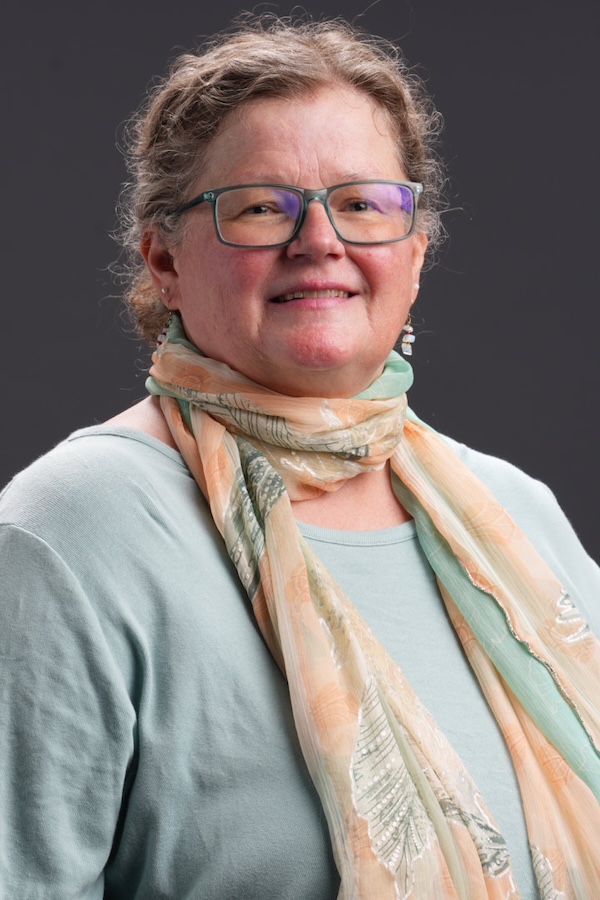
Associate Professor of Art History Kirstin L. Ellsworth published “Does It Look Like A Church? Contemporary Megachurch Architecture” in the International Journal of Architectonic, Spatial, and Environmental Design.
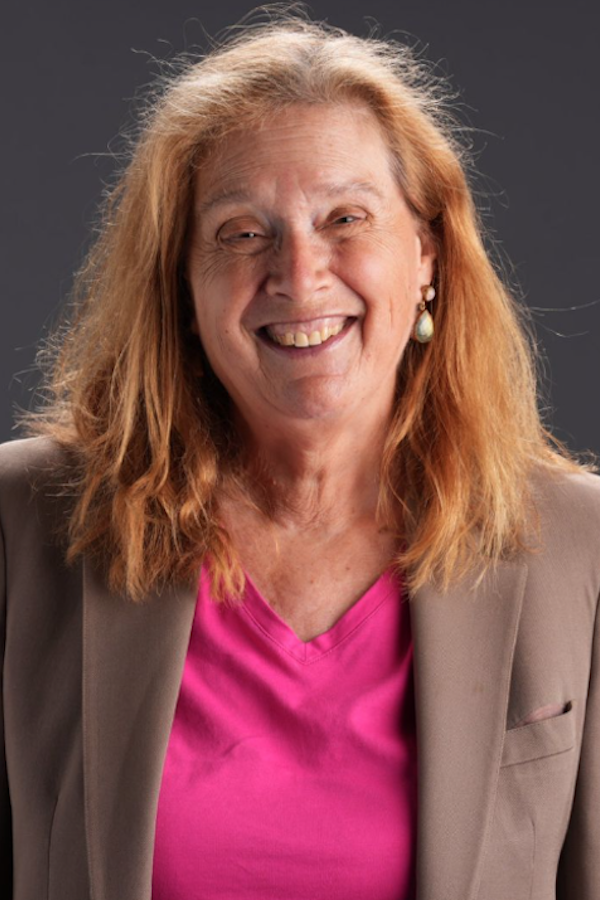
Professor of Negotiation, Conflict Resolution and Peacebuilding Nancy Erbe peer-reviewed a pair of scholarly papers: “Higher Education Under Siege” for Palgrave Macmillan and “Climate Change and Farmer Herder Conflict in Sub-Saharan Africa: Mediation by Political and Religious Institutions,” published in the Journal of Peacebuilding and Development.

Gilah Yelin Hirsch, professor of art emerita, was featured in the “Everyday Holiness: Where do I find Holiness?” exhibition at The American Guild of Judaic Art, and in the JAI Exhibition “On Being Jewish Now” at Santa Monica’s Braid Gallery. Hirsch also served as guest faculty for the “Art and Healing” workshop at the 32nd Annual Summer Program in Social and Cultural Psychiatry at McGill University in Montreal, Canada, and presented on the topic of “Artist as Shaman” at the 2026 International Society for Academic Research on Shamanism Conference in Seoul, South Korea. Her artwork has also been featured on the cover of Lewis Pyenson’s book, Thought So: On Words and Pictures Past.

Ingrid Steiner, a lecturer of art history and design history, was awarded a 2026 Andrew W. Mellon Research Fellowship at the Virginia Museum of History and Culture in Richmond, Virginia.
College of Health, Human Services, and Nursing

Associate Professor of Marital and Family Therapy Karen Quek recently published “Comparative Cultural Perspectives on Aging-in-Place” in Global Perspectives on Aging and Culture by Cambridge University Press. The publication is part of Cambridge’s Elements in Psychology and Culture series.
Recent quotes and/or interviews in the media from faculty
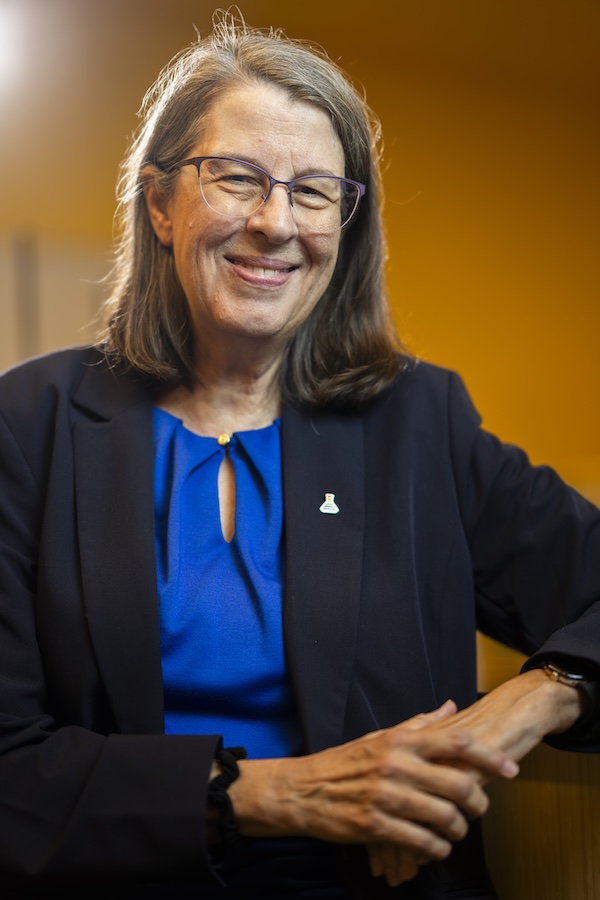
“Many people still carry the notion that being openly LGBTQIA+ could jeopardize career success…the result is anxiety about living authentically as an LGBTQIA+ person. Legislation against discrimination, corporate commitment to diversity and equity, and progressive social change that champions inclusion and fairness will help drive this notion out of the conversation.” – Chemistry lecturer Barbara Belmont was interviewed by the journal Technology Networks on the topic of supporting LGBTQIA+ students in STEMM disciplines.

“If a person has bad credit, it is likely that they have already piled up some debt. Consequently, the primary reason for transferring debt is to lower the interest cost, and they should aim for the card with the lowest interest rate. The interest cost in dollar terms will be much lower during the life of the debt, and the debt will be repaid faster.” – Professor of Finance Prakesh Dheeriya gave WalletHub advice on what to look for when trying to transfer a balance due to bad credit.

“A vote here or there that might have been a little fishy in Skid Row — that’s not going to be enough to turn the outcome of an election in which we had over 750,000 people voting.” – Associate Professor of Political Science Chris Hallenbrook spoke to the Los Angeles Times about unfounded claims of homeless people voting in the 2026 mayoral election.

“Using the percentage-based budget strategy is not the most effective approach to budgeting. Any system based on predetermined percentages is arbitrary. Budgeting for your personal finances should not be arbitrary; it should be specific.” – Lecturer of Finance Michael Manahan spoke to WalletHub about percentage-based personal budgeting and zero based-budgeting.
“A budget provides predictability, helps individuals plan, and is key in achieving various financial goals. Budgeting keeps the consumer on track regarding spending and expenses and provides a formal blueprint in terms of financial planning.” – Economics lecturer Radu Munteanu spoke to WalletHub about the importance and uses of personal budgeting and the best balance transfer credit cards.

“On the plus side, it can reinforce or strengthen the relationship and can have benefits like ease of use for bill payment, etc…and of course, consolidation of overall banking may make maintenance smoother for the consumer…on the negative side, putting all your eggs in one basket can be detrimental if anything goes wrong along the way…like fraud on one account leading to a freeze of all accounts.” – Melissa St. James, associate professor of management and marketing, gave WalletHub expert advice about the pros and cons of having multiple accounts with the same bank.