Our faculty members participate in conferences around the world, conduct groundbreaking research, and publish books and journal papers that contribute to their field and highlight their expertise. We feature those accomplishments and more in this section. To share faculty news, email lmckibbin@csudh.edu.
College of Arts & Humanities


Brenda Bran and Jennifer Henriquez, lecturers in the English Department, co-authored the chapter “With Great Power, Comes First-Year Writing: An Educator’s Guide to Incorporating Contemporary Superhero Narratives for First-Generation, First-Year College Students” to the collection First Gen & Juice: Exploring First-Gen College Student Narratives in Pop Culture and Mass Media. The authors demonstrate how integrating superhero narratives into the curriculum can mirror the real-world challenges of balancing home responsibilities with academic expectations. They provide a practical framework for using multimodal texts to teach rhetorical concepts while addressing the specific writing anxieties and imposter syndrome often felt by first-year students.
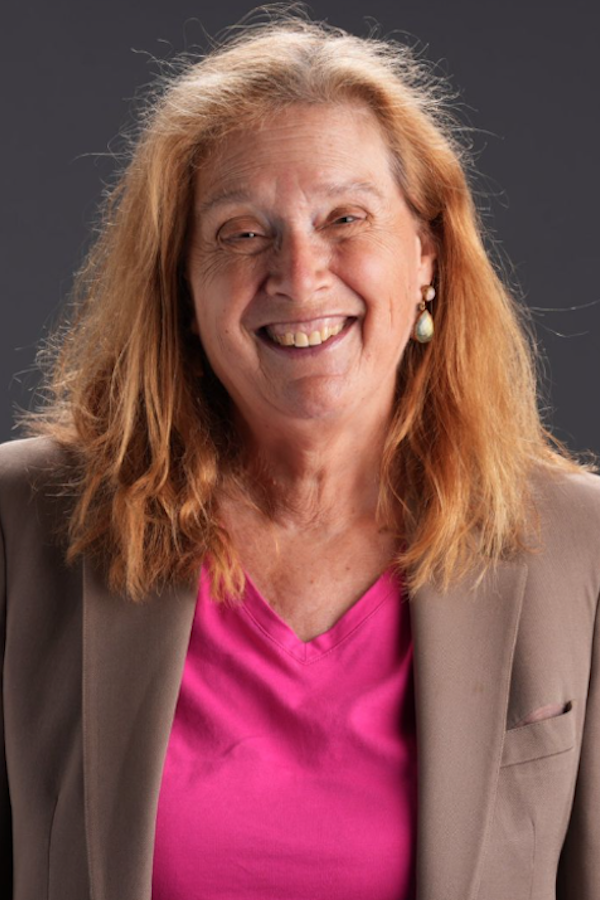
Professor of Negotiation, Conflict Resolution and Peacebuilding Nancy Erbe peer-reviewed the papers “Rethinking Negotiation Effectiveness: Contextual Patterns from AI Mediated Comparisons,” for Sciety; and “Unregulated Artisanal Mining and Threats to Environmental Peacebuilding in Mazowe District, Mashonaland Central Province, Zimbabwe,” for the Journal of Peacebuilding and Development.
College of Health, Human Services, and Nursing
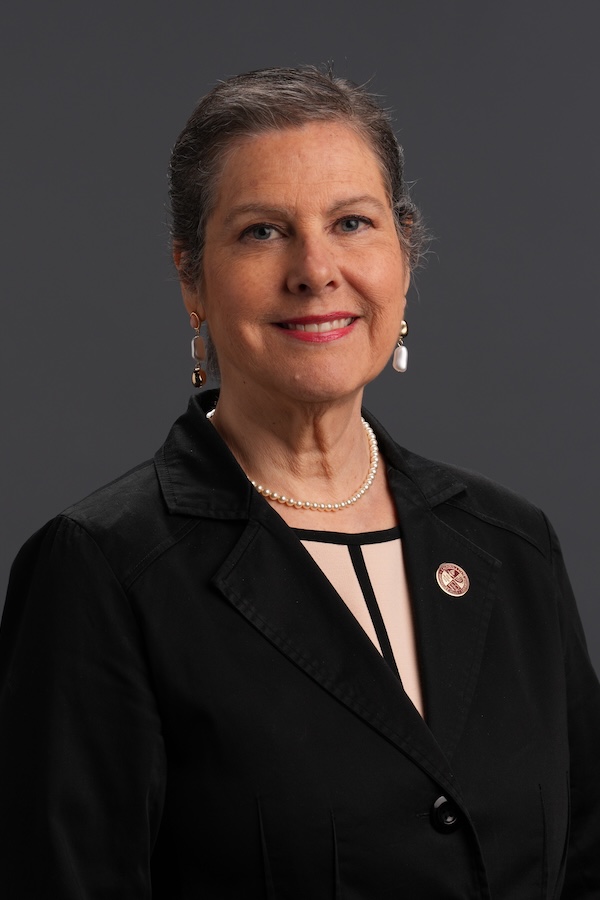
In honor of National Nurses Month, the Carson City Council officially recognized the CSUDH School of Nursing Director Terri Ares for her exemplary leadership and service leading the college. The honor highlighted Ares’ dedication to preparing and guiding future nurses, and the profound impact her work has made in the community.
Associate Professor of Marital and Family Therapy Karen Quek co-authored “Bridging Innovation and Practice: A Literature Review on Artificial Intelligence’s (AI’s) Expanding Role in Therapy,” published in International Journal of Systemic Therapy. The paper examines how chatbots, predictive models, and AI-enabled robotics are being applied across diverse populations to support prescreening, diagnosis processes, symptom tracking, behavioral monitoring, and clinical systemic interventions.
College of Natural and Behavioral Sciences
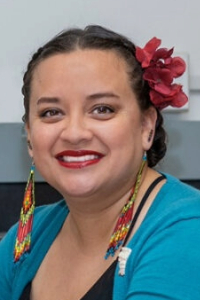
Professor of Physics Ximena Cid recently co-founded the Society of Indigenous Physicists. Consisting of indigenous individuals who currently hold, or are on track to complete, undergraduate, masters, or PhDs in the fields of physics, astronomy, planetary sciences, as well as those whose paths intersect these disciplines in related fields like engineering, the group’s mission is to serve as a connection point for this often-disconnected community.
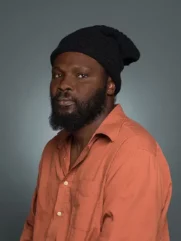
Associate Professor of Physics Horace Crogman co-authored the paper “Quantum Tunneling in DNA Methylation: A Computational Study Using QM/MM and Molecular Dynamics,” which was published in Biophysical Journal.
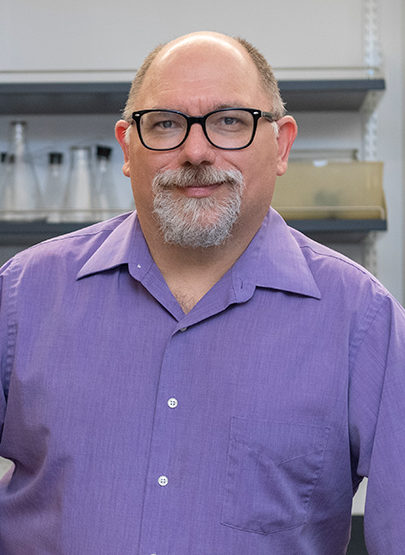
Professor of Biology Terry McGlynn co-authored the paper “How Birds Send Heat into Space Measured for the First Time: A New Study Reveals Hidden Reflectance of Bird Feathers Through the Prism of Light, Heat, and Color,” published in the journal Integrative Organismal Biology. Working with colleagues from the Natural History Museum, UCLA, and Indiana University, McGlynn explored the impact of mid-infrared on birds for the first time in history, reflecting the hidden prism of light, heat, and color in bird feathers.

Kevin Montes, associate professor of psychology, received a $150,526 grant from the National Institute on Alcohol Abuse and Alcoholism for his project “Assessment of risky drinking typologies among college student alcohol users.” The project investigates drivers of high-intensity alcohol consumption, including an emerging, risky trend called BORG (Blackout Rage Gallon) drinking that has been popularized on social media.
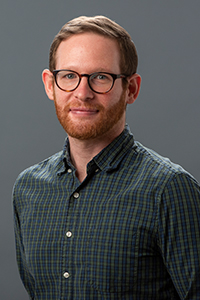
Associate Professor and Chair of Anthropology Ken Seligson co-authored three articles published in archaeology journal Ancient Mesoamerica and was interviewed about the journal’s Special Section on Quarrying and Stoneworking in the Precolonial Maya Lowlands, which he co-edited.
Seligson was also featured in The Guardian about how we misunderstand the decline of the Ancient Maya civilization: “The Maya should really be known as a people of immense resilience,” he said. “They worked with available resources to develop long-term highly flexible solutions.”
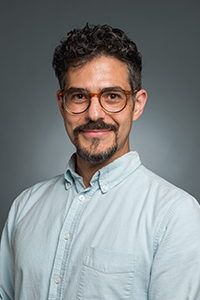
Professor of Psychology Philip Vieira received a $15,000 CSUBIOTECH Research Development Grant. The grant will fund a project to develop cutting-edge biosensor technology to understand sex differences in response to drugs like cocaine and fentanyl. The project has high relevance for addressing the opioid crisis and improving treatment approaches.
Recent quotes and/or interviews in the media from faculty
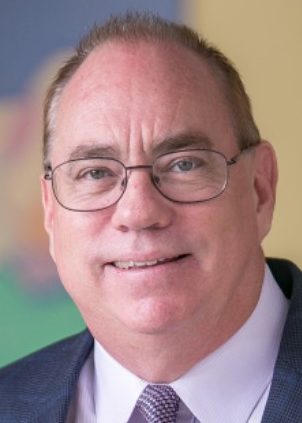
“There is no reason to have cards that have no annual fees other than if you have cards with annual fees, and you don’t take advantage of those benefits, you are just wasting money.” – Lecturer of Finance Michael Manahan spoke to WalletHub about credit cards with no annual fee.

“While the type of budget expenses vary by individual and lifestyle, the budget should typically include 4-5 major categories (as state above) because most expenses fit in one of the those major categories.” – Radu Munteanu, lecturer of economics, gave expert recommendations to WalletHub about how to make budget categories and the best credit cards for new businesses.
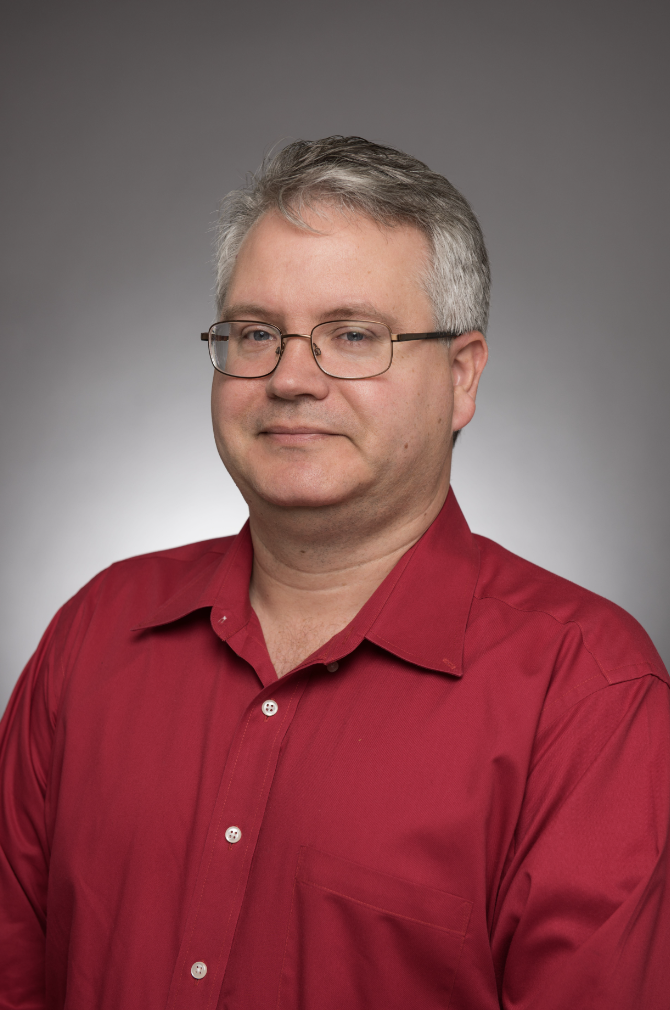
“Local leaders need to honestly assess what they have and avoid the ‘Field of Dreams’ approach—if they build it, they will come. Workers are attracted to cities that offer a better day-to-day lifestyle. Employees will trade big-city jobs for places where neighborhoods are safe, schools are good, access to medical professionals is quick, nature is close, and commutes are minimal.” – Professor of Management Thomas Norman spoke to CoWorkingCafe for a study about how cities can become more competitive and appeal to experienced workers. The study’s findings were also published in the New York Times.

“When most people think of how a credit card issuer makes money, we think of the annual fees and interest charged to the person using the card. However, the issuer also receives fees from the merchants processing the transactions, which is a significant source of income for the issuer.” – Melissa St. James, associate professor of management and marketing, gave WalletHub expert advice about the Citi Double Cash® Card and the best Chase credit cards.